
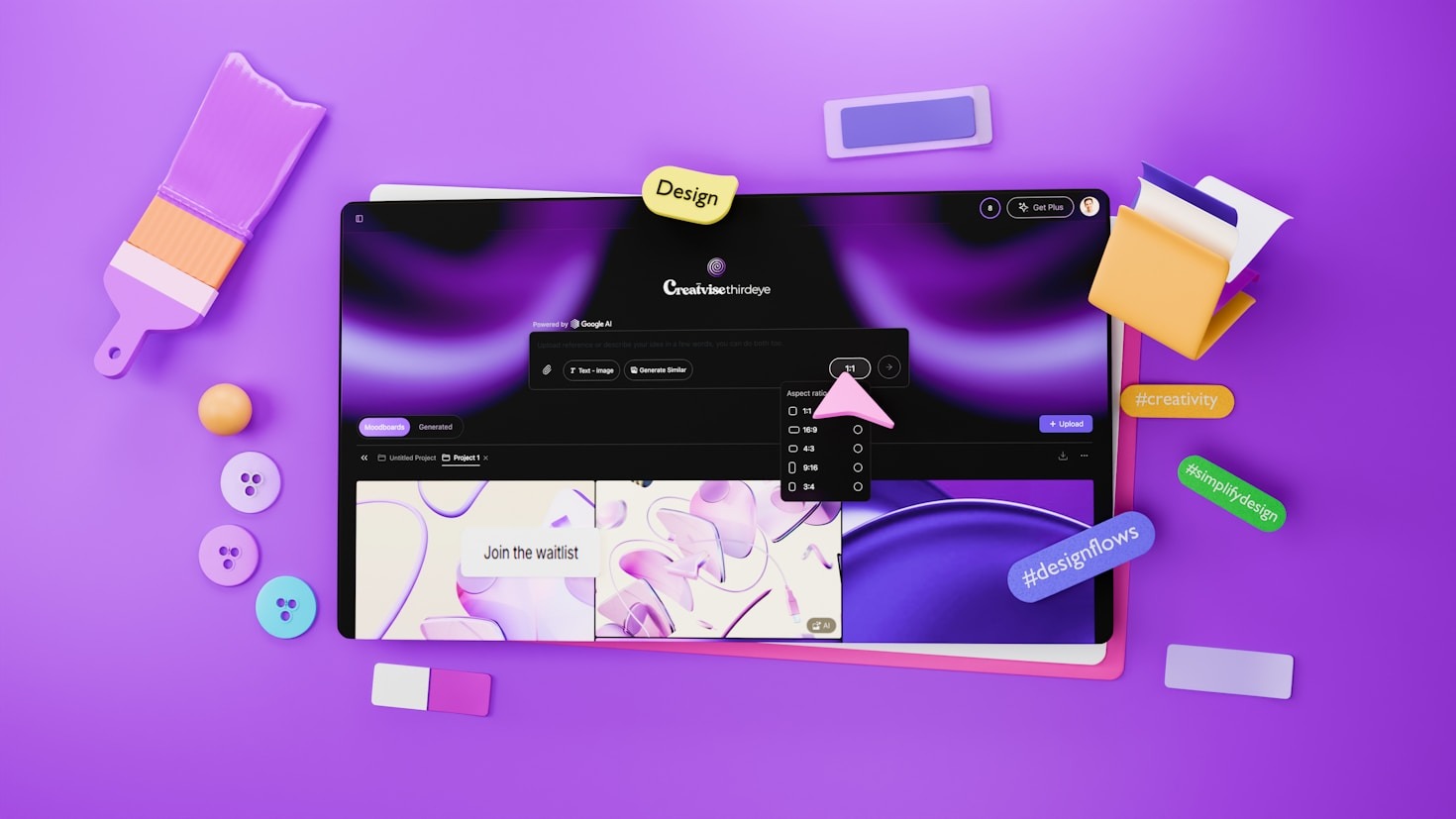
Design industries continue to evolve as new technologies, cultural influences, and consumer expectations reshape the way creative professionals work. Modern trends influence everything from digital experiences and branding to architecture, fashion, and interior spaces. Understanding how trends shape the future of design industries helps businesses, creators, and organizations remain competitive while adapting to changing market demands. Innovation and creativity are now closely connected to functionality, sustainability, and user-focused experiences.
One of the most influential trends shaping modern design is the rapid growth of digital technology. Designers increasingly rely on advanced software, artificial intelligence, and interactive media to create more engaging experiences. Websites, mobile applications, and multimedia platforms now prioritize smooth navigation, responsive layouts, and personalized user interaction. Technology allows creative professionals to experiment with dynamic visuals and immersive environments while improving efficiency during the design process.
Artificial intelligence is transforming creative industries by automating repetitive tasks and supporting data-driven design decisions. AI tools can generate layouts, optimize visual content, and analyze user behavior to improve engagement. Although technology enhances productivity, human creativity remains essential for storytelling, originality, and emotional connection. Designers who combine innovative technology with authentic creative vision are more likely to succeed in future industries.
Sustainability is another major trend influencing the direction of modern design. Businesses and consumers are becoming more conscious of environmental responsibility, encouraging designers to adopt eco-friendly practices and materials. Sustainable architecture, energy-efficient products, and environmentally responsible packaging are increasingly important across industries. Designers now focus on creating solutions that reduce waste while maintaining visual quality and functionality.
Minimalism also continues to shape the future of creative design. Clean layouts, balanced typography, and organized visual structures remain popular because they improve usability and communication. Minimalist approaches help audiences focus on essential information without unnecessary distractions. This trend is especially effective in digital design, branding, and interior spaces where simplicity often improves both aesthetics and functionality.


Global cultural influence is another important factor shaping design industries. Designers frequently draw inspiration from international art styles, regional traditions, and multicultural perspectives to create fresh visual concepts. This exchange of ideas encourages diversity and originality while helping brands connect with wider audiences across global markets. Cultural integration allows creative industries to remain innovative while celebrating unique artistic identities.
User experience design has also become a central focus for modern businesses and digital platforms. Consumers expect products and services to feel intuitive, accessible, and visually appealing. Designers carefully study audience behavior to improve navigation systems, interaction patterns, and communication strategies. The future of design increasingly depends on creating experiences that are not only attractive but also highly practical and easy to use.
Another growing trend is the integration of immersive technologies such as augmented reality and virtual reality. These innovations allow users to interact with digital environments in more realistic and engaging ways. Retail companies, entertainment brands, and educational platforms use immersive experiences to strengthen audience engagement and create memorable interactions. As technology becomes more accessible, immersive design is expected to influence many creative industries in the coming years.
Remote collaboration and digital communication are also changing how design professionals work globally. Cloud-based tools and virtual teamwork platforms allow creative experts from different regions to collaborate efficiently on projects. This global connectivity encourages knowledge sharing, faster innovation, and access to diverse creative perspectives.
The future of design industries will continue to be shaped by innovation, sustainability, and evolving consumer expectations. Trends influence not only visual styles but also the way designers solve problems and communicate ideas. Businesses and creators who embrace change, explore new technologies, and prioritize meaningful user experiences will remain relevant in an increasingly competitive and digitally connected world.