
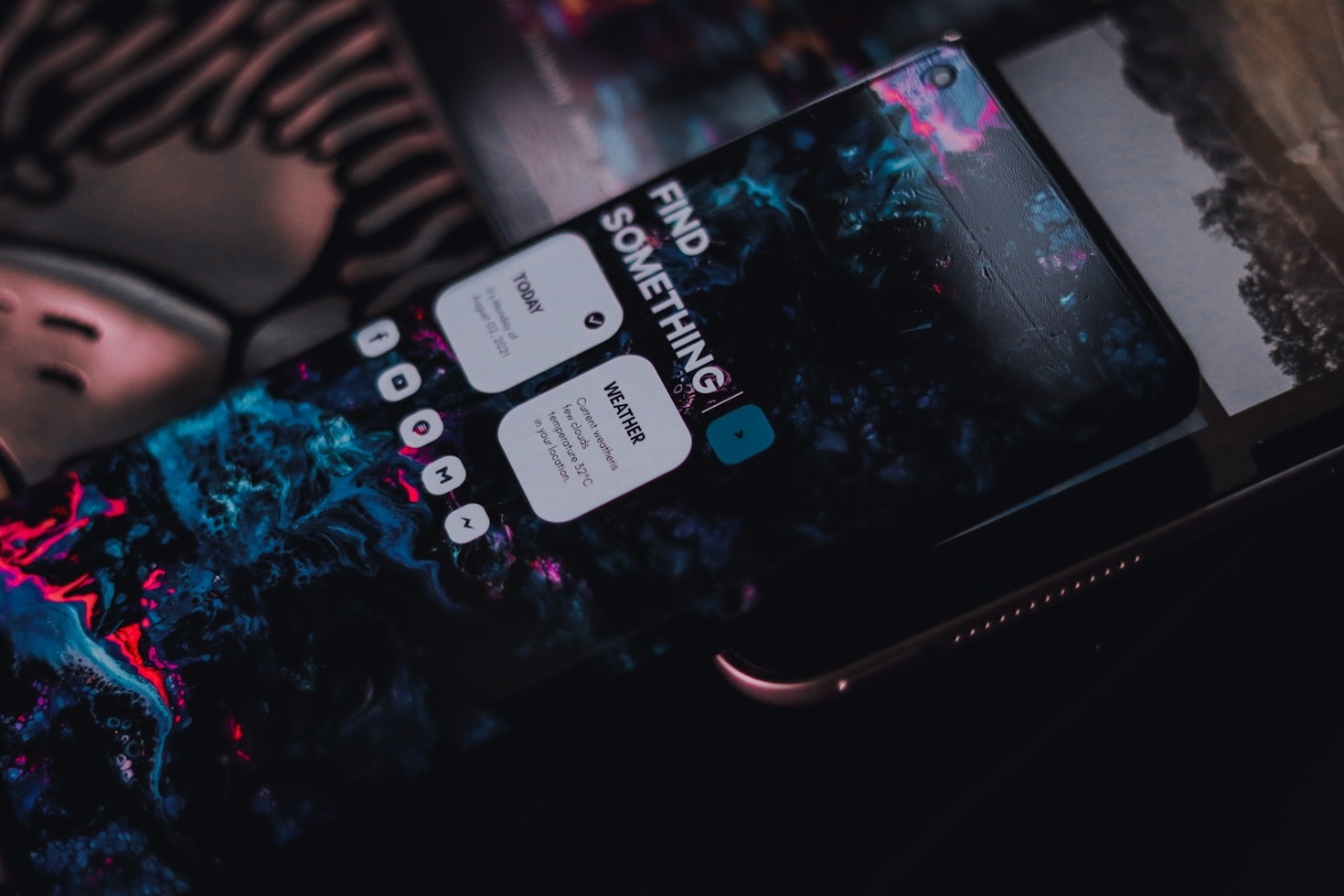
Digital aesthetics continue to redefine the way people experience technology, communication, and creativity in the modern era. As online platforms become more advanced and visually driven, businesses and creators increasingly focus on building engaging digital environments that combine artistic expression with functional design. Digital aesthetics for the new age are shaping websites, branding, entertainment, and interactive media by introducing innovative visual styles, immersive experiences, and user-centered creativity that influence audiences worldwide.
One of the defining characteristics of modern digital aesthetics is the balance between simplicity and sophistication. Contemporary design trends often feature clean layouts, elegant typography, and organized visual structures that improve readability and usability. Minimalist interfaces remain highly popular because they create smooth user experiences while allowing important content to stand out clearly. This approach helps reduce distractions and supports faster interaction across websites, applications, and digital platforms.
Visual storytelling has become another essential part of digital aesthetics. Businesses and creators use images, animations, videos, and interactive graphics to communicate ideas more effectively and emotionally. Audiences today are highly attracted to visually engaging experiences that combine information with creativity. Modern digital storytelling strengthens brand identity and encourages stronger audience connection through memorable visual communication.
Color psychology also plays a significant role in shaping contemporary digital aesthetics. Designers carefully select color palettes to influence emotion, attention, and user behavior. Soft gradients, dark themes, and vibrant accent colors are increasingly used to create immersive digital experiences. Color combinations help establish mood and personality while improving overall visual harmony across digital interfaces.
Motion design continues to transform modern digital experiences. Subtle animations, interactive transitions, and responsive visual effects make websites and applications feel more dynamic and engaging. Motion elements guide user attention naturally while improving navigation and interaction. Businesses frequently use animated design techniques to create modern branding experiences that feel innovative and memorable without overwhelming users.


Artificial intelligence and advanced creative tools are also influencing the future of digital aesthetics. AI-powered platforms help designers generate layouts, improve image quality, and personalize visual experiences based on user preferences. These technologies support faster production processes while encouraging experimentation with new creative concepts. Although automation continues to evolve, originality and human creativity remain essential for producing meaningful and emotionally impactful designs.
Immersive technologies such as augmented reality and virtual reality are further expanding digital aesthetics into interactive environments. These technologies allow users to experience products, entertainment, and educational content in more engaging ways. Virtual showrooms, interactive gaming environments, and digital simulations demonstrate how immersive design can transform user experiences while strengthening emotional engagement.
Another growing trend in digital aesthetics involves inclusivity and accessibility. Designers increasingly prioritize user-friendly interfaces that support diverse audiences and improve digital accessibility for people with different needs. Clear typography, responsive layouts, and adaptive design features create more inclusive online experiences while improving overall usability and communication.
Sustainability has also become an important influence within modern digital design. Lightweight websites, optimized graphics, and efficient coding practices help reduce digital energy consumption while maintaining high-quality performance. Sustainable digital aesthetics focus on responsible innovation by balancing visual appeal with efficient functionality and long-term adaptability.
Social media platforms continue shaping the evolution of digital aesthetics through short-form content, interactive visuals, and creative multimedia communication. Brands and creators must constantly adapt to changing audience preferences while maintaining originality and consistent identity across multiple channels. This ongoing evolution encourages experimentation and pushes creative boundaries within the digital landscape.
Modern digital aesthetics represent the fusion of technology, creativity, and human interaction. By combining innovative visual concepts with functional experiences, digital creators continue shaping the future of communication and online engagement. As technology advances, digital aesthetics will remain a powerful force influencing how people connect, explore information, and experience creativity in the new age.