
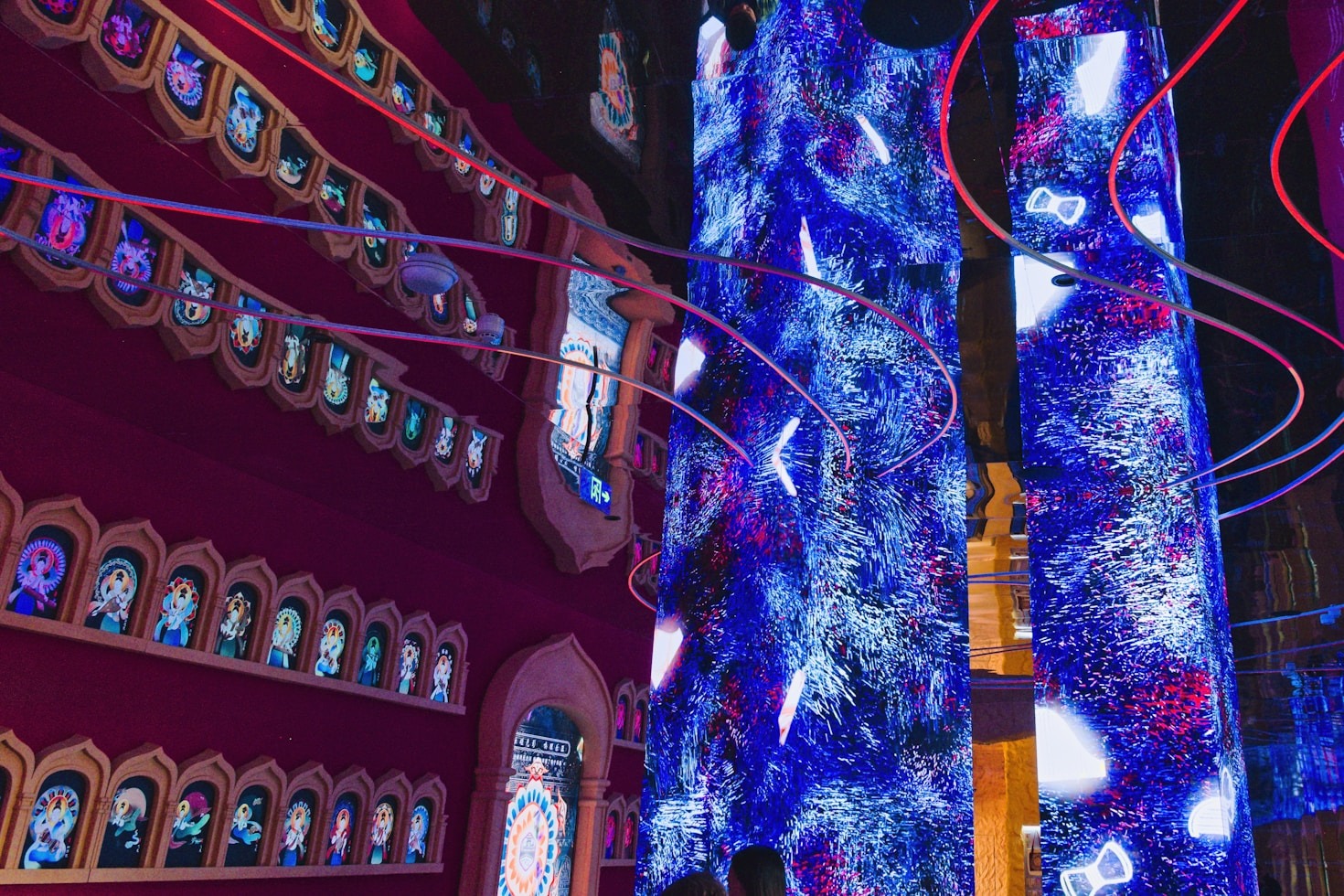
Creative design has experienced remarkable transformation over the past decades as technology, culture, and communication continue to evolve worldwide. Modern design is no longer limited to artistic expression alone but has become an essential part of digital interaction, branding, architecture, entertainment, and business development. Global insights into creative design evolution reveal how international influences, technological innovation, and changing audience expectations continue shaping the future of visual communication and creative industries.
One of the most important factors driving design evolution is globalization. Designers now have access to inspiration, techniques, and artistic traditions from different cultures around the world. This global exchange of ideas encourages originality and diversity within modern creative projects. Traditional patterns, regional aesthetics, and cultural storytelling are increasingly combined with contemporary digital techniques to create visually distinctive and meaningful experiences that appeal to international audiences.
Technology has also dramatically transformed the creative design landscape. Advanced software, artificial intelligence, and interactive media tools allow designers to experiment with complex concepts more efficiently than ever before. Digital platforms support faster production processes while enabling greater customization and innovation. Designers can now create responsive websites, immersive virtual environments, and dynamic visual experiences that adapt to user behavior and preferences in real time.
User-centered design has become a central focus within modern creative industries. Businesses and organizations increasingly prioritize functionality, accessibility, and emotional connection when developing products and digital experiences. Designers carefully analyze audience behavior to create interfaces and visual systems that feel intuitive and engaging. The goal is not only to produce attractive visuals but also to improve communication and usability for diverse global audiences.
Minimalism continues to influence modern design evolution because of its ability to balance simplicity with functionality. Clean layouts, organized typography, and restrained visual elements improve readability and reduce distractions. Minimalist approaches are especially effective in digital design where users expect smooth navigation and efficient access to information. This trend demonstrates how modern audiences increasingly value clarity and user experience alongside artistic creativity.


Sustainability is another powerful influence shaping the future of creative design. Environmentally conscious practices are becoming more important across industries including architecture, fashion, product design, and digital development. Designers now focus on reducing waste, improving efficiency, and selecting sustainable materials without compromising aesthetic quality. Sustainable creativity reflects a growing awareness of environmental responsibility while encouraging long-term innovation.
The rise of immersive technologies has also accelerated the evolution of creative industries. Augmented reality, virtual reality, and interactive digital experiences allow users to engage with content in entirely new ways. Businesses use immersive design to strengthen customer engagement, improve product visualization, and create memorable entertainment experiences. These technologies continue expanding the possibilities of creative storytelling and visual communication.
Social media platforms have further transformed the design industry by increasing the demand for fast, visually engaging content. Short-form videos, animated graphics, and interactive media now dominate online communication. Designers must continuously adapt to rapidly changing trends while maintaining originality and consistent brand identity across multiple digital platforms. This constant evolution encourages experimentation and pushes creative boundaries.
Collaboration also plays an important role in modern design development. Creative professionals from different countries and disciplines can now work together through digital communication tools and cloud-based platforms. International collaboration introduces fresh perspectives and innovative problem-solving approaches that contribute to stronger and more dynamic creative outcomes.
Global insights into creative design evolution demonstrate how innovation, culture, and technology continue influencing the future of visual communication. Modern design is shaped by the balance between creativity, functionality, and human connection. As industries continue evolving, creative professionals who embrace diversity, adaptability, and technological advancement will remain at the forefront of global design innovation.