
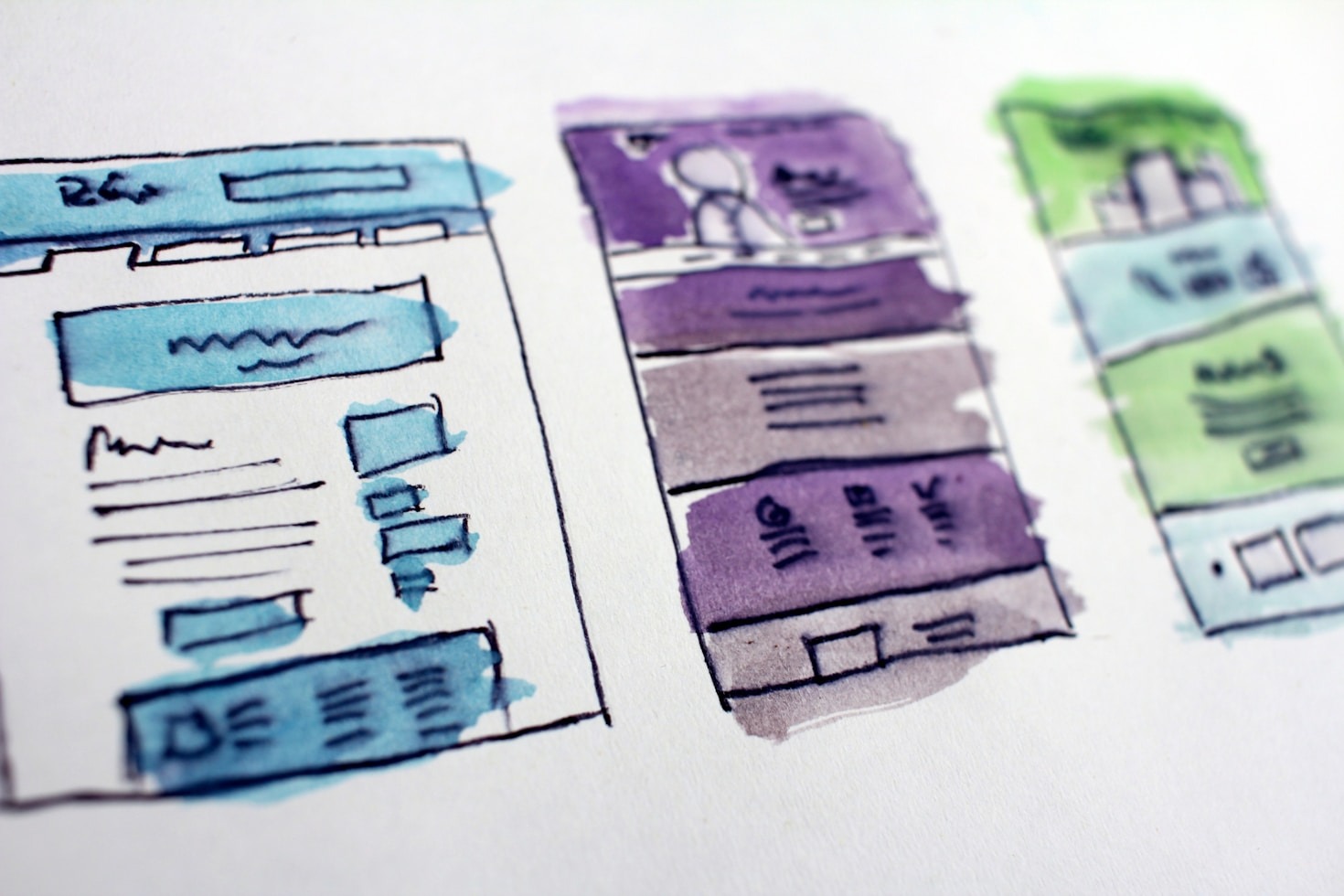
Modern design is no longer focused solely on visual beauty or artistic expression. Today, successful design combines creativity with functionality to produce experiences that are both attractive and practical. Whether applied to digital platforms, architecture, branding, or interior spaces, the intersection of creativity and functionality plays a critical role in shaping how people interact with products, services, and environments. A well-balanced design approach allows innovation to meet usability, creating solutions that inspire audiences while improving everyday experiences.
Creativity brings originality, emotion, and identity into a project. It allows designers to explore fresh ideas, unique visual concepts, and engaging storytelling techniques that capture attention. Creative design helps brands establish memorable identities while encouraging audiences to connect emotionally with products and experiences. Colors, typography, visual layouts, and artistic elements all contribute to creating designs that stand out in highly competitive industries.
Functionality, however, ensures that designs remain practical, efficient, and user-friendly. A visually impressive website or product loses value if users struggle to navigate or interact with it effectively. Functional design focuses on accessibility, organization, and performance to create smooth and intuitive experiences. Successful projects balance artistic innovation with usability so audiences can enjoy both visual appeal and practical convenience.
In digital design, the relationship between creativity and functionality is especially important. Websites and mobile applications must provide attractive interfaces while maintaining fast performance and responsive layouts. Clean navigation systems, readable typography, and optimized content improve user engagement and encourage visitors to spend more time exploring digital platforms. Creative visuals enhance the experience, but practical structure ensures that users can access information quickly and comfortably.
User experience design continues to influence modern digital development. Designers carefully study user behavior to create interfaces that feel natural and efficient. Interactive elements, animations, and multimedia content are often integrated into websites to increase engagement without overwhelming the audience. The goal is to create a seamless balance where creativity enhances usability rather than distracting from it.


Interior design also demonstrates the importance of combining aesthetics with practicality. Modern homes and workspaces are designed to look elegant while supporting comfort and productivity. Multifunctional furniture, smart storage solutions, and open layouts improve functionality while maintaining stylish visual appeal. Creative use of lighting, textures, and colors transforms ordinary interiors into inspiring environments that support daily living needs.
Branding strategies similarly rely on this balance between creativity and functionality. Businesses use logos, packaging, and marketing materials to communicate identity and values visually. Creative branding attracts attention, but functional messaging ensures clarity and consistency. A successful brand identity must not only look distinctive but also communicate effectively with target audiences across multiple platforms.
Technology continues to expand opportunities for innovative and functional design solutions. Artificial intelligence, virtual reality, and interactive media allow designers to create personalized experiences tailored to user preferences. Smart technology integration improves efficiency while supporting creative experimentation across industries such as entertainment, education, and digital commerce. These advancements demonstrate how creativity and functionality can work together to shape the future of modern experiences.
Sustainability is another growing factor influencing design decisions. Functional solutions that reduce waste, improve energy efficiency, and support environmentally friendly practices are becoming essential. Designers now focus on creating products and digital systems that remain visually appealing while contributing to responsible and sustainable development.
The intersection of creativity and functionality represents the future of modern design. By combining artistic innovation with practical usability, designers can create meaningful experiences that inspire audiences and improve everyday interactions. This balanced approach allows businesses, creators, and professionals to develop solutions that are visually compelling, highly efficient, and relevant in an increasingly digital and competitive world.