
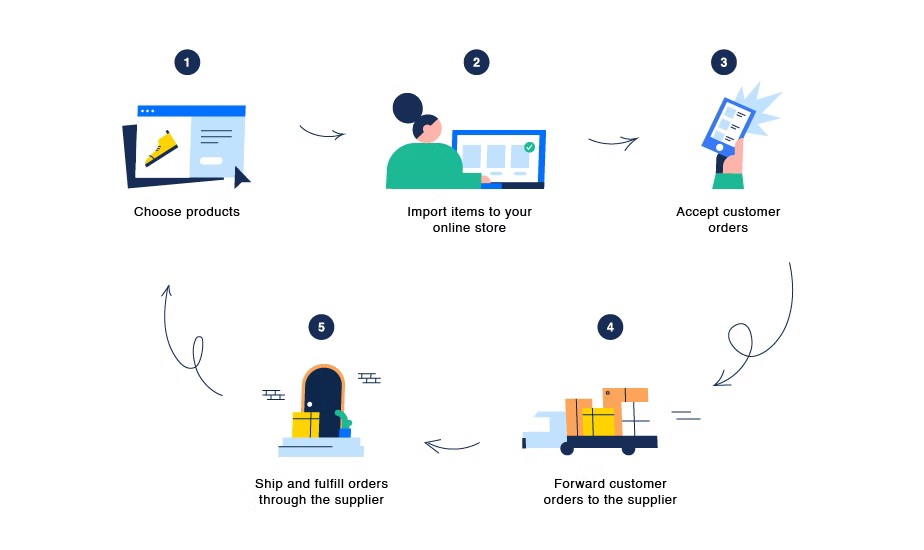
Starting an online store can be an exciting way to turn a passion into a business, reach a global audience, and generate revenue with relatively low overhead. Success requires careful planning, the right tools, and a clear understanding of your target market. Here’s a step-by-step approach to launching your online store effectively.
1. Define Your Niche and Products
Begin by identifying a niche that aligns with your interests and meets market demand. Consider factors like competition, pricing, and customer needs. Whether you’re selling handmade goods, digital products, or retail items, understanding your niche will guide branding, marketing, and inventory decisions.
2. Choose the Right E-Commerce Platform
Selecting a platform is critical for usability, scalability, and functionality. Popular options include Shopify, WooCommerce, BigCommerce, and Wix. Evaluate features like payment gateways, customization, integrations, and ease of use to ensure the platform supports your business growth.
3. Set Up Your Online Store
Design your store with a clean layout, intuitive navigation, and mobile-friendly responsiveness. Add high-quality product images, detailed descriptions, and clear pricing. Ensure your website includes essential pages such as About, Contact, Shipping Policies, and FAQs to build credibility with customers.
4. Establish Payment and Shipping Options
Integrate secure payment gateways, offering popular methods such as credit cards, PayPal, and digital wallets. Plan your shipping strategy by considering delivery speed, cost, packaging, and tracking options. Transparency in shipping policies builds trust and reduces abandoned carts.
5. Develop a Marketing Plan
Attracting customers requires a robust marketing approach. Utilize social media, email campaigns, search engine optimization (SEO), and paid ads to reach your target audience. Content marketing, promotions, and customer engagement strategies can drive traffic and increase conversions.
6. Launch and Monitor Performance
Once your store is live, continuously monitor performance metrics like traffic, sales, conversion rates, and customer feedback. Use analytics to identify opportunities for improvement and adapt your strategy to meet evolving customer expectations.
7. Focus on Customer Experience
Providing excellent customer service is key to building loyalty. Offer easy returns, fast responses to inquiries, and personalized communication. Happy customers are more likely to leave reviews, refer friends, and make repeat purchases.
Starting an online store is a mix of creativity, planning, and ongoing management. By carefully defining your niche, choosing the right tools, and prioritizing customer experience, you can build a sustainable business capable of growing in the competitive e-commerce landscape.